
If you vape in California, you may want to pay attention to what is happening in the state.
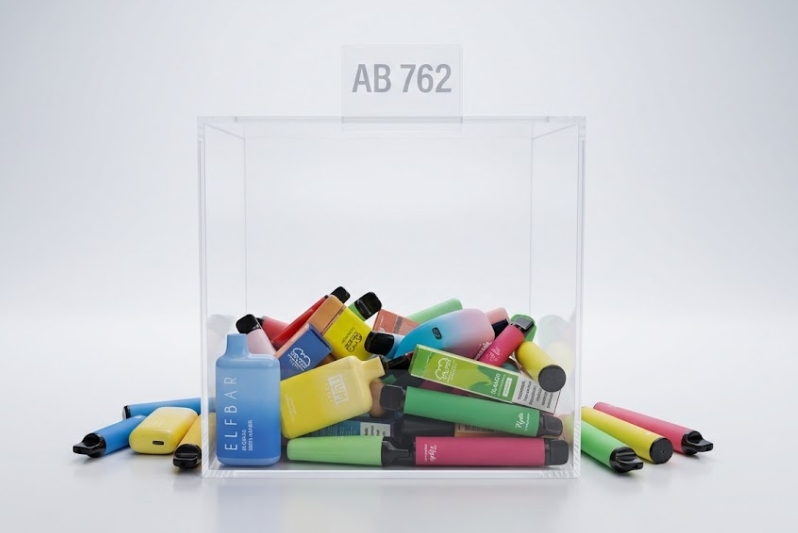
California lawmakers have passed a bill that would effectively eliminate disposable nicotine vapes from the state’s legal market. Assembly Bill 762, introduced by Assemblymember Jacqui Irwin, has cleared the Legislature and has been signed by Gov. Gavin Newsom as of September 2026.
Yes, you read that correctly.
California is once again moving to restrict another category of vaping products.
Now that Newsom has signed the bill, disposable nicotine vapes as we know them could be on their way out from the state.
Is California banning disposable vapes?
AB 762 has passed the California Legislature and was signed into law by Gov. Gavin Newsom on September, 2026. The restrictions will be phased in over the next two years.
Starting January 1, 2027, California would prohibit both the importation and manufacture for sale in the state of covered disposable, single-use, battery-embedded nicotine vaping devices.
Then, starting January 1, 2028, selling, distributing or offering those products for sale in California would be prohibited. So your disposable vape isn’t suddenly going to become illegal tomorrow. But if AB 762 becomes law, California’s legal market for these products would have a clear end date.
What exactly is being banned?
This is where things get interesting. AB 762 doesn’t simply say “all vapes are banned.” The bill specifically targets what it calls a “disposable, battery-embedded vapor inhalation device.”
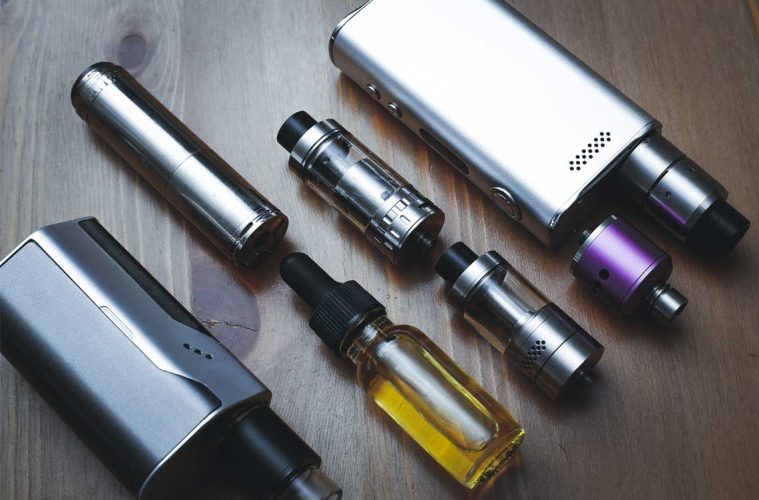
Under the bill, the device must contain nicotine and be designed or intended not to be reused. The definition also considers whether the device is refillable and rechargeable. That means the legislation isn’t aimed at every vape device sitting on a store shelf. Traditional reusable vape hardware, refillable pod systems and other devices designed to be used repeatedly are a different category.
In simple terms, California is targeting the classic model of:
Buy it → vape it → throw it away
Why does California want to ban them?
Supporters of AB 762 aren’t primarily presenting this as another flavor restriction. The argument is largely about waste and batteries. Disposable vapes contain lithium-ion batteries, electronic components and leftover e-liquid. When they’re thrown into ordinary trash or recycling, they can create problems for waste processing facilities. Damaged lithium batteries can also create fire risks.
Supporters also argue that disposable vapes contribute to litter and environmental contamination. Those concerns are real, but that doesn’t mean everyone agrees that banning the products is the best solution. For many adult vapers, disposables are popular because they’re simple, convenient and require almost no maintenance. There’s no bottle of e-liquid, coil replacement, tank to clean or complicated settings.
Critics of restrictions like AB 762 argue that removing popular vaping products could push some consumers toward the illicit market or, in some cases, back toward traditional cigarettes.
Does this mean all vapes will be illegal in California?
AB 762 is not a ban on vaping itself. If the bill becomes law, California’s legal vape market would shift further toward reusable hardware. Refillable pod systems and other reusable devices could remain available, provided they comply with California’s existing laws and the requirements of the new law. The Exact model of device does matter.
What about rechargeable disposables?
This is where things get particularly interesting. A product being advertised as “rechargeable” doesn’t automatically mean it will bypass AB 762. Under the bill, a disposable device can fall under the ban if it is not designed or intended to be reused and is either not refillable or not rechargeable. So manufacturers can’t necessarily put a USB-C port onto a disposable device and assume California will consider it reusable.
That could create an interesting situation for some of the newer high-capacity disposable devices that already advertise rechargeable batteries.
What happens if a business ignores the ban?
AB 762 includes penalties for violations. A person who violates the prohibition could face an infraction with a fine of up to $500. This can add an additional $1,000 for second violations. As well as a $2,000 for a third violation. The legislation also gives California’s Department of Tax and Fee Administration authority to suspend or revoke certain tobacco-product sales licenses for violations involving covered nicotine devices.
What about cannabis vapes?
AB 762 specifically excludes cannabis and cannabis products from the definition covered by this particular prohibition. So this legislation is focused on nicotine vaping products, not cannabis vape products.
What’s next?
AB 762 has now been signed into law by Gov. Gavin Newsom. The clock is officially ticking.
January 1, 2027: Importing or manufacturing covered disposable nicotine vapes for sale in California would be prohibited.
January 1, 2028: Selling, distributing or offering those covered products for sale in California would be prohibited.
That gives manufacturers and retailers time to adapt, but it also puts the disposable vape market on notice. The California market for covered disposable nicotine vapes now has a clear end date.
The Bottom Line
California isn’t banning vaping. It’s targeting disposable nicotine vape devices that are designed to be thrown away. And while the environmental argument behind AB 762 is understandable, many adult vapers are understandably frustrated that California is once again restricting the products they can buy.
For now, nothing has changed for consumers. The new restrictions don’t take effect until 2027, with the sale of covered disposable nicotine vapes being prohibited starting in 2028.
But AB 762 has now been signed into law, meaning California’s disposable vape market could look very different by 2028.
We’re going to be watching this one closely.